
Ripe For The Picking, Or Left To Rot: The Legal Battles Behind Your Strawberries
Recent Legislation Changes Create Challenges For California Farmworkers
By Lindsay Sopko | April 25, 2026
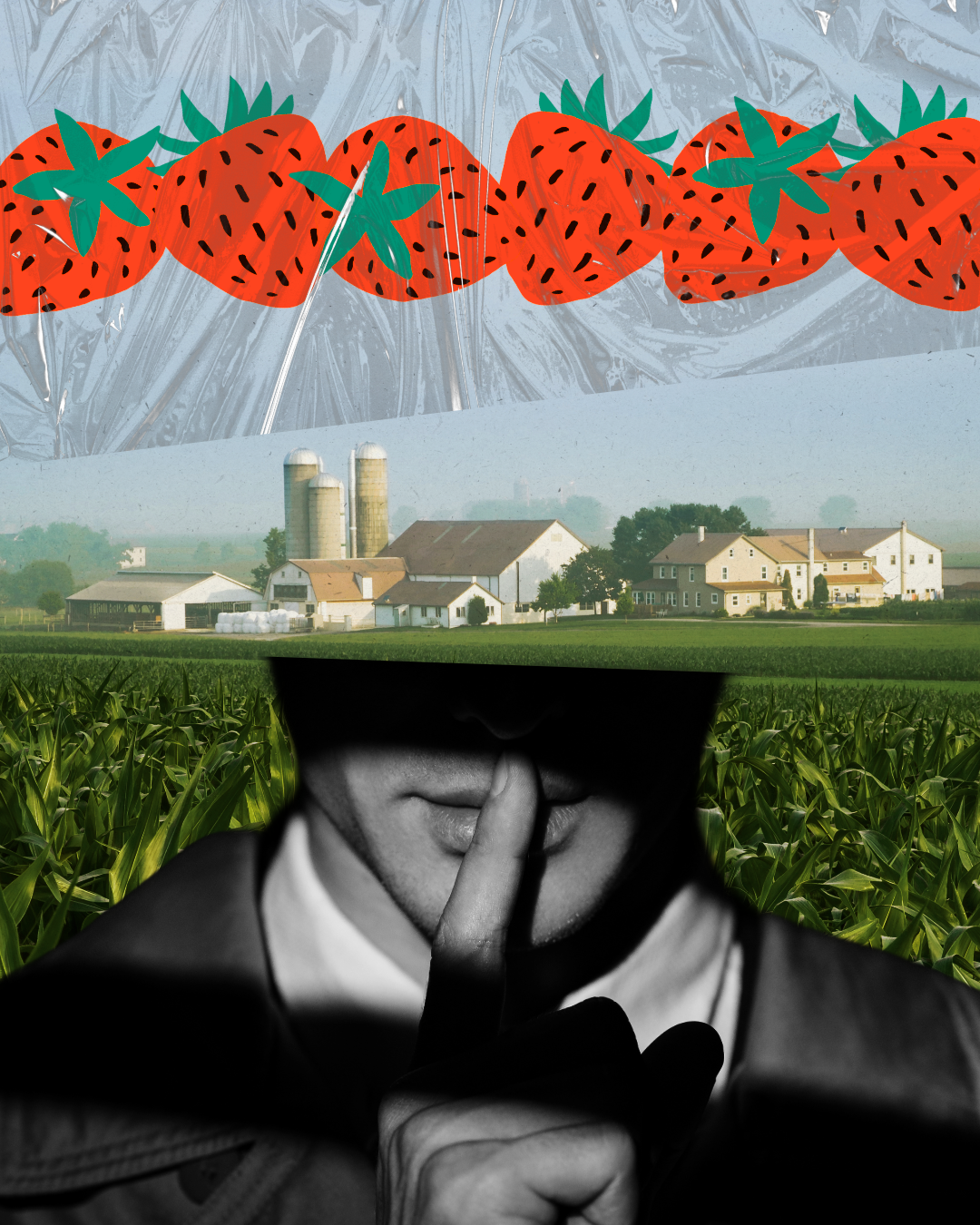
SAN DIEGO – In Southern California, strawberry season is in full swing – and so is the fight for farmworkers rights.
Ninety percent of the nation’s strawberries are grown in California. Yet with strawberry sales raking in more than $2 billion annually, the federal government has recently slashed wages for many of those who harvest these crops.
As labor typically represents more than half of production costs for strawberry growers, these cuts may benefit commercial growers’ bottom lines. But smaller family-owned farms and local farmworkers say these cuts could risk their livelihoods.
In October 2025, the Department of Labor (DOL) amended the way hourly wages are calculated for H-2A visa holders. These workers, foreign nationals employed as temporary agricultural employees, are now seeing anywhere from a $3-7 dollar decrease in their hourly wages.
These cuts aren’t just affecting H-2A workers. With farmers able to pay visa holders less for the same work, local workers say there is little incentive to raise their pay. Isabel Rinton Panfilo, a U.S. citizen, is one of those individuals affected by the recent legislative change. A strawberry farmworker from Oxnard, California, Panfilo has seen an almost $3 hourly pay cut since the DOL’s ruling took place. In a press release from the United Farm Workers Foundation, she spoke about her concerns surrounding the H-2A program expansion.
“The threat of guest workers is really concerning because they are planning to replace local workers with H-2A workers that will make finding work more difficult. Although I work very hard, it is difficult to cover everyday expenses.”
To combat dwindling wages, Panfilo, along with 17 other farmworkers, joined a lawsuit seeking to challenge the federal ruling.
Headed by the United Farm Workers union, this civil suit filed in the U.S. District Court for the Eastern District of California, alleges the “rule violates statutory requirements to prevent adverse effects on U.S. worker wages, is arbitrary and capricious, and was improperly issued without required public notice and comment.” The case is expected to be heard later this year.
In the interim, California lawmakers are seeking their own remedy. Assemblymember Maggy Krell (D-Sacramento) proposed a bill earlier this year to establish a minimum wage of $20 for farmworkers in her state. During a state assembly meeting on April 22, Assemblymember Krell addressed the Labor and Employment Committee. “We produce more fruits and vegetables and agriculture than anywhere in the world,” said Krell, “and we do it on the backs of our farm workers.” If signed into law, this bill would take effect at the start of 2027.
While these legal challenges, if successful, may secure higher wages for workers, they don’t address other issues exacerbated by the DOL’s recent ruling.
In addition to lowering farmworker wages, the DOL’s ruling expands the visa program, making it easier for farms to hire H-2A workers. While the program was initially intended to supplement the local workforce, commercial farms have denied local applications in favor of H-2A laborers in recent years, according to More Perfect Union, a nonprofit news outlet. While this practice is illegal, and against official H-2A program policy, only about 1% of reported policy violations are investigated by the DOL.
This lack of oversight and accountability contributes to labor trafficking in the agricultural community. A 2018-2020 data analysis conducted by the Polaris Project, who operates the U.S. National Human Trafficking Hotline, identified around 3,000 H-2A visa holders who were victims of labor trafficking. The abuse they reported includes unsafe living conditions, illegal recruitment fees, denial of medical care, threats of deportation, and wage theft.
Alco Harvesting, a harvesting management company operating in California, reached a $6 million settlement this February with the California Labor Commissioner’s Office for widespread wage violations affecting more than 10,000 farmworkers, to include H-2A visa-holders. This settlement highlights a prevailing issue within the agricultural community. By denying local work applications in favor of H-2A workers, some farms may continue to exercise greater control over their workers.
These denials come at a time when the federal government is ramping up deportation efforts. In April, the U.S. Senate approved an additional $70 billion in funding for immigration enforcement agencies. Immigration and Customs Enforcement (ICE) often target places with a high population of Latinx workers. With over 75% of the U.S. strawberry workforce identifying as Latinx, these farms have become an ever-increasing target for ICE operations. Expanding the H-2A program, while slowly dismantling and deporting the local workforce, creates an opportunity for further farmworker exploitation.
Growers who can’t afford H-2A labor, however, are seeing production dramatically decrease because they can’t hire enough laborers. This is especially true for many smaller, family owned farms throughout California. One such farmer, who requested anonymity for fear of federal retaliation, said harvestable acreage for strawberry production has dropped 90% over the past 6 years.
The farm, which employs year-long local workers, has struggled to retain the labor needed to harvest the crops. Recent ICE raids have decimated their workforce. This fear has been felt across the country as well as California, as workers express their apprehension leaving home to tend the fields. At the end of the day, the owner’s greatest concern is shielding their remaining farm employees from these raids.
“This bill is about setting a wage floor that would protect farmworker wages at a time when they are particularly vulnerable.”
“A lot of my workers are putting their kids through college,” the farmer said, “I can’t risk their livelihoods.”